

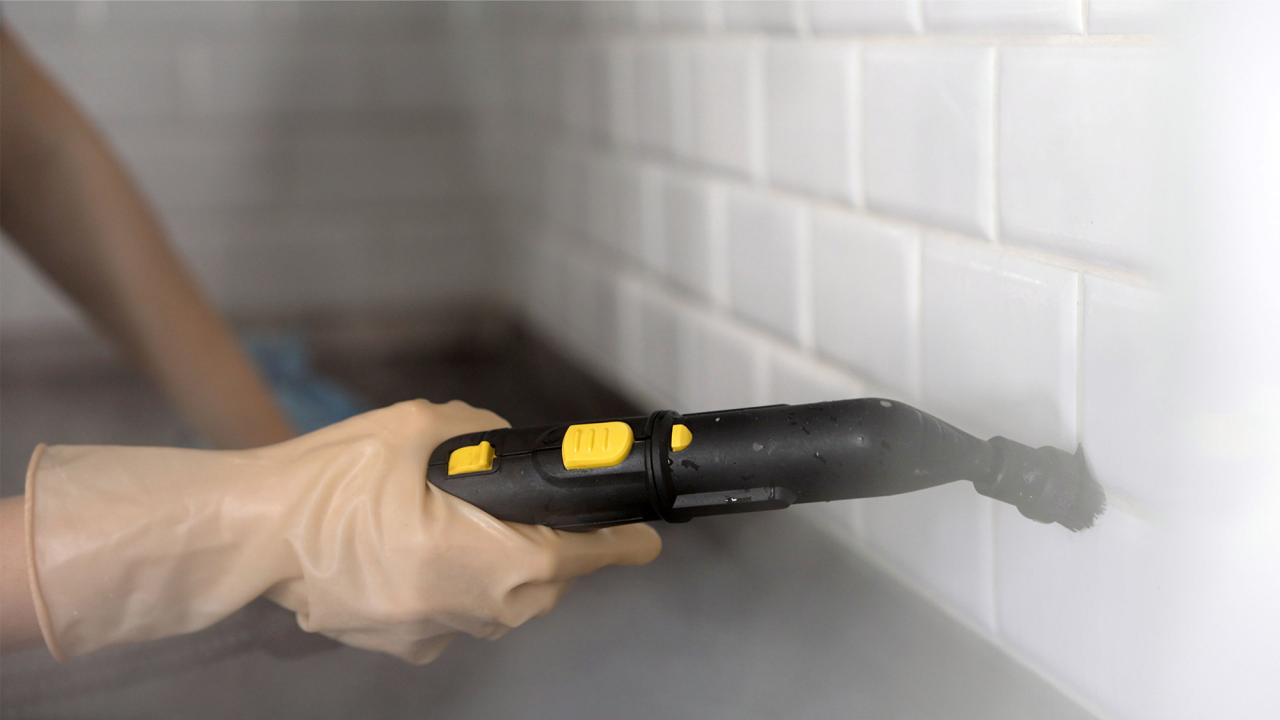
Tile is a popular choice for Connecticut kitchens, bathrooms, entryways, backsplashes, showers, and other hardworking spaces. It offers design flexibility and can be relatively easy to maintain when it is cleaned with methods suited to the tile and grout.
The most important rule is simple: not every tile surface should be cleaned in the same way. Ceramic, porcelain, glass, and natural stone can have different care requirements. Before trying a new product, identify the material and review the manufacturer’s instructions.
Start with Routine Dry Cleaning
Loose soil is easier to remove before it mixes with water or cleaning products. Sweep tile regularly with a soft-bristle broom or use a vacuum set for hard flooring.
This step is especially important during Rocky Hill winters. Sand and grit tracked in from walkways can act like an abrasive when dragged across the floor.
Focus on frequently missed areas, including:
Room corners
Edges beneath cabinets
Spaces behind doors
Grout lines near entrances
Areas under movable rugs
The perimeter of kitchen islands
Regular dry cleaning reduces the need for aggressive scrubbing later.
Use a Mild Cleaner for Everyday Care
Once loose debris has been removed, clean the tile using a solution approved for the specific surface. In many cases, a neutral-pH tile cleaner is a sensible starting point.
Work in small sections and avoid flooding the floor. Too much cleaning solution may leave streaks, settle into grout lines, or take longer to dry.
A practical routine includes:
Vacuuming or sweeping the tile.
Applying a suitable cleaner sparingly.
Wiping the surface with a microfiber mop or soft cloth.
Rinsing if the product instructions require it.
Drying the tile to minimize streaks and water spots.
Do not mix household cleaning products. Some combinations can damage surfaces or create unsafe fumes.
Give Grout Extra Attention
Grout is often more porous than the surrounding tile, so it can collect soil and discolor over time. Regular cleaning prevents buildup from becoming deeply embedded.
For light soil, use a grout-safe cleaner and a soft nylon brush. Scrub gently, then rinse or wipe away the residue. Avoid metal brushes because they can damage grout and scratch nearby tile.
If grout darkens again shortly after cleaning, the cause may be more than surface dirt. Moisture issues, worn sealant, or deteriorated grout may require professional evaluation.
Some grout products benefit from sealing, while others may not need it. Ask the installer or product manufacturer whether a sealer is recommended and how often it should be reapplied.
Clean Kitchen Tile Before Grease Builds Up
Kitchen tile can collect food spills, cooking residue, and grease. Wipe splashes promptly, particularly on backsplashes behind the stove and sink.
For best results:
Blot fresh spills rather than spreading them.
Use a tile-compatible degreaser when needed.
Test new products in an inconspicuous area.
Wipe backsplash edges and grout joints.
Dry the surface after cleaning.
Avoid abrasive pads on polished or glass tile.
Do not use a stronger cleaner simply because the stain is stubborn. The wrong chemical can alter the surface or damage nearby grout.
Maintain Bathroom and Shower Tile
Bathrooms require regular attention because soap residue and moisture can build up quickly. After showering, use ventilation to help the room dry. A squeegee can remove water from tile walls and glass, reducing spots and residue.
Pay attention to corners and transitions where different surfaces meet. Cracked, loose, or deteriorated caulk should be addressed because it may allow moisture to reach areas that are difficult to dry.
For routine bathroom care:
Run the exhaust fan during and after showers.
Remove standing water.
Clean soap residue before it hardens.
Wash bathmats regularly.
Inspect grout and caulk.
Address recurring mildew or dampness promptly.
Cleaning improves the surface, but it does not correct an underlying ventilation, plumbing, or waterproofing problem.
Treat Natural Stone Differently
Natural stone tile requires special care. Marble, travertine, limestone, slate, and other stone materials can react differently to cleaners used on ceramic or porcelain.
Acidic products, including some vinegar-based cleaners, may etch certain stone surfaces. Abrasive products can also affect polished finishes. Use a stone-specific cleaner and follow the supplier’s maintenance guidance.
Natural stone may require periodic sealing, depending on the material, finish, location, and sealer used. If you are unsure what type of tile is installed, have it identified before applying a new chemical treatment.
Protect Tile from Preventable Damage
Tile is durable, but heavy or sharp objects can still chip or crack it. Use protective pads under furniture and lift heavy objects instead of dragging them.
Additional habits include:
Placing walk-off mats at entrances
Using rugs in front of sinks
Wiping spills promptly
Avoiding steel wool and harsh abrasives
Replacing worn furniture protectors
Repairing loose or damaged grout
Keeping a few spare tiles after installation
Spare tiles can be useful because colors, sizes, and production runs may change over time.
Get Professional Help When Needed
A cracked tile does not always indicate a product problem. Subfloor movement, impact damage, structural conditions, and installation issues can also contribute. If several tiles crack or grout repeatedly fails in the same area, a professional assessment can help identify the likely cause.
Custom Floors offers tile products along with flooring installation, design consultation, custom showers, and tub-surround services for customers in and around Rocky Hill. Its showroom serves the Greater Hartford area from 1823 Silas Deane Highway.
Keep Your Tile Looking Its Best
Easy tile care begins with knowing what material you have and using products approved for that surface. Routine sweeping, prompt spill cleanup, mild cleaning solutions, and consistent grout maintenance can prevent many common problems.
Whether you are caring for an existing tile floor or planning a new kitchen, bathroom, shower, or entryway, the correct product and maintenance guidance can make everyday cleaning simpler.
For help choosing tile or caring for the tile surfaces in your Rocky Hill home, Contact us for more information.


