

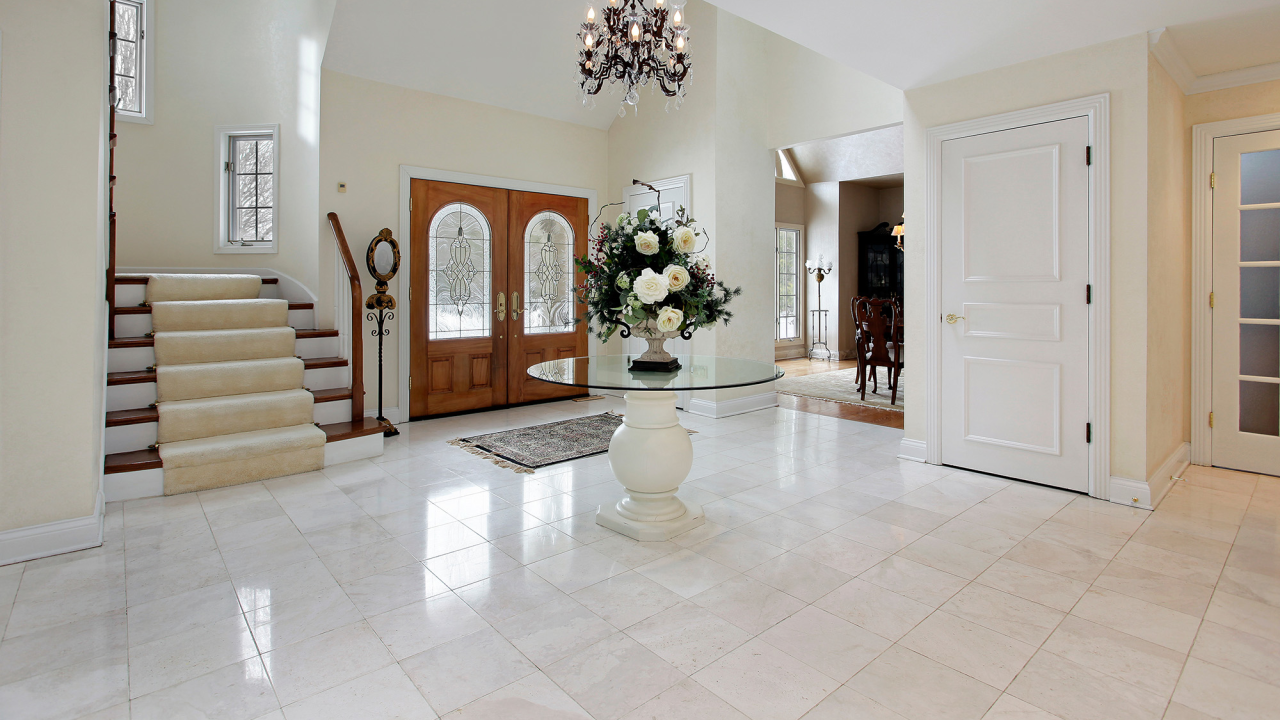
From spring rainstorms along the Connecticut River to heavy winter snowfalls, homes in Rocky Hill require resilient flooring materials that withstand significant moisture and tracking. Tile has long been the premier surface choice for foyers, mudrooms, kitchens, and bathrooms due to its durability and effortless cleanup. However, when selecting tile for your home, one of the most common decisions you will face is choosing between porcelain and ceramic. While both options belong to the ceramic tile family and offer beautiful aesthetics, understanding their distinct manufacturing processes, physical characteristics, and ideal uses will help you make the best choice for your project.
What Is the Difference Between Porcelain and Ceramic Tile?
While porcelain and ceramic tile may look almost identical on the surface, their core differences stem from the raw materials and firing temperatures used during manufacturing. Ceramic tiles are made from natural red or white clay combined with minerals, which are shaped and fired in a kiln at moderate temperatures. Porcelain tiles, by contrast, are constructed using finer, denser kaolin clay blended with feldspar and quartz, fired at extreme temperatures exceeding 2,200°F. This intense heat causes the materials to vitrify, creating an extraordinarily dense, non-porous tile structure with uniform color through the body.
Durability and Water Absorption: Why Density Matters
The primary functional distinction between porcelain and ceramic tile is density and water absorption rate. To be certified as true porcelain, a tile must have an official water absorption rate of 0.5% or less. Ceramic tile, being slightly more porous, absorbs slightly more moisture. Because porcelain is so dense and impervious to water, it offers superior scratch, stain, and chip resistance. In heavy foot traffic zones or spaces where liquid spills and moisture are daily occurrences, porcelain tile stands up to heavy wear without showing signs of damage.
Best Applications Around the Home: Entryways, Bathrooms, and Kitchens
Knowing where each tile type performs best helps stretch your home renovation budget effectively. Ceramic tile is slightly softer and easier to cut during installation, making it a cost-effective and versatile choice for wall applications, kitchen backsplashes, and light-traffic residential bathroom floors. Porcelain tile, with its superior strength and water impermeability, is the clear winner for heavy-use floor areas such as front entryways, busy kitchen floors, laundry rooms, and primary bathroom shower pans. Additionally, porcelain is fully compatible with underfloor radiant heating systems, keeping your feet cozy during cold Connecticut winters.
Freeze-Thaw Resistance and Outdoor/Mudroom Compatibility
In New England, thermal expansion and contraction caused by freezing temperatures can cause inferior materials to crack or pop. Because ceramic tile retains slight amounts of moisture internally, it is susceptible to damage when exposed to sub-freezing temperatures, making it strictly an indoor solution. Porcelain’s minimal water absorption gives it high freeze-thaw resistance. This makes frost-rated porcelain tile the ideal selection for unheated mudrooms, enclosed sunrooms, covered porch entryways, or direct outdoor patio installations that face harsh Rocky Hill winter freezes.
Style Versatility: Wood-Look Planks, Marble Looks, and Decorative Patterns
Design technology has revolutionized the appearance of both ceramic and porcelain tiles. Today’s porcelain tiles feature ultra-high-definition digital printing that flawlessly replicates the grain of authentic hardwood planks, the soft veining of Calacatta marble, or the raw texture of poured concrete. Ceramic tiles, on the other hand, shine in decorative glazes, subtle handmade-look textures, and dynamic geometric patterns that add architectural interest to vertical accent walls. Whether you prefer classic New England charm or sleek modern minimalism, you will find endless tile designs to suit your taste.
Selecting the Right Tile at Custom Floors in Rocky Hill
Choosing between porcelain and ceramic tile comes down to your room’s specific moisture exposure, foot traffic, and budget. At Custom Floors, located on Silas Deane Highway in Rocky Hill, our design and technical experts help you compare tile samples side by side so you can make an informed choice. We invite you to explore our comprehensive tile selection, order physical samples to view at home, or schedule a free in-home measurement. Our professional tile installation crew ensures precise layout, level setting, and durable grouting for a flawless result that lasts for decades.


