

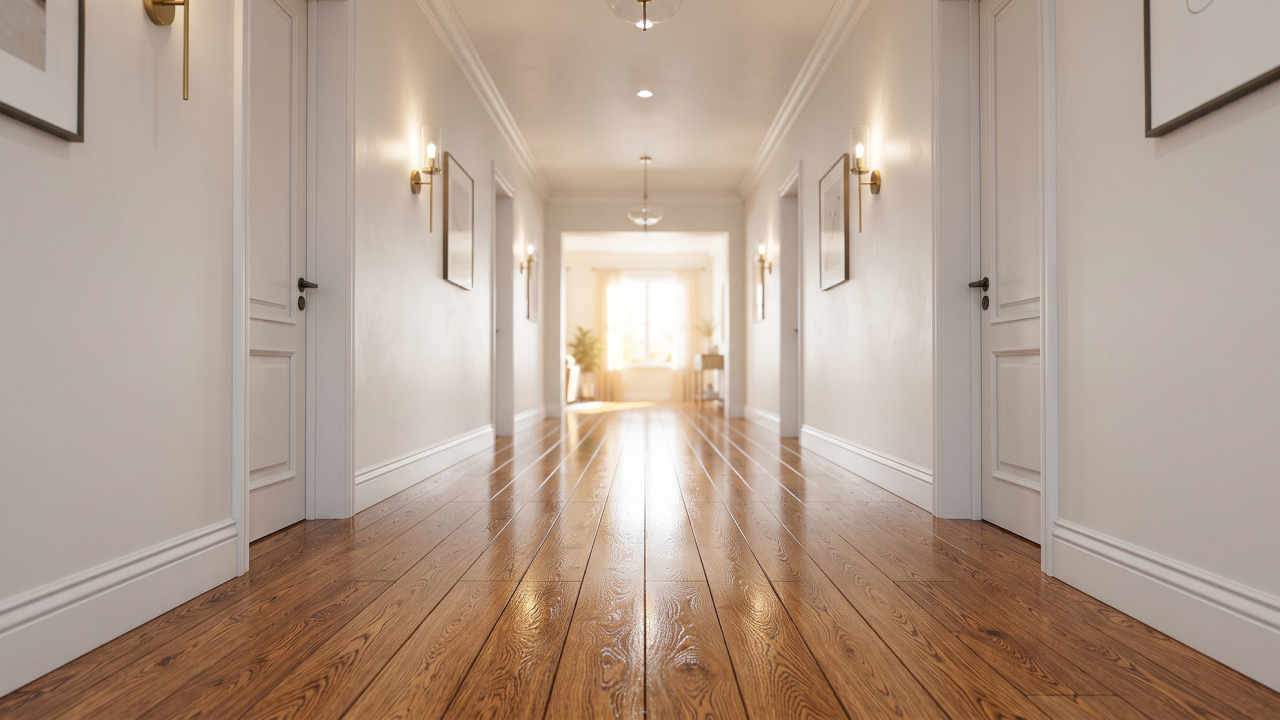
Hardwood flooring brings natural character and lasting appeal to a home, but Connecticut winters create conditions that require a little extra care. Snow, road salt, grit, wet boots, heating systems, and changing indoor humidity can all affect the appearance and performance of wood floors.
A consistent winter maintenance routine can help Rocky Hill homeowners protect their hardwood from scratches, excess moisture, and seasonal movement. The goal is not to keep people from enjoying the floor. It is to stop common winter problems before they become expensive repairs.
Control Snow, Salt, and Grit at the Entrance
Many winter flooring problems begin at an exterior door. Snow and slush introduce moisture, while road salt and sand can leave residue or scratch the finish when tracked across the floor.
Create a simple entrance system using:
A durable outdoor mat
An absorbent indoor mat
A boot tray
A bench or chair for removing shoes
A small towel for wet paws and spills
Choose mats that are approved for use on hardwood. Some rubber or latex backings can trap moisture or react with certain floor finishes. Check the flooring manufacturer’s recommendations before placing a new mat directly on the wood.
Vacuum or shake out entry mats regularly. A mat filled with sand and grit can become another source of scratches.
Wipe Up Winter Moisture Promptly
Hardwood and standing water are not a good combination. Melting snow should be blotted as soon as possible with a clean, dry cloth.
Avoid spreading the moisture over a wider area. Start at the edge of the spill and work toward the center. After the visible moisture is removed, dry the surface completely.
Pay close attention to:
Entryways
Mudrooms
Areas near patio doors
Spaces around boot trays
Floors beneath pet water bowls
Kitchen sink and dishwasher areas
If moisture repeatedly appears in the same location, identify and correct the source instead of relying on frequent cleanup.
Maintain Stable Indoor Humidity
Wood naturally responds to changes in its environment. During winter, heating systems can dry the indoor air, which may contribute to small gaps between boards. Excess moisture can create the opposite problem.
Use an indoor humidity monitor and follow the recommendations provided by the flooring manufacturer. A humidifier may help during particularly dry periods, but it should be maintained carefully to prevent excessive moisture or condensation.
Consistency is more important than making abrupt adjustments. Extreme swings in indoor humidity can place unnecessary stress on a wood floor.
Clean Hardwood with the Right Products
Winter residue can make hardwood look dull, but using too much water or the wrong cleaner may cause additional problems. Sweep with a soft-bristle broom or vacuum with a hard-floor setting to remove salt, grit, and debris.
For routine cleaning:
Use a cleaner approved for the floor’s finish.
Apply the product lightly rather than soaking the surface.
Use a soft microfiber pad.
Clean in manageable sections.
Dry any remaining moisture promptly.
Avoid steam mops unless the flooring manufacturer specifically approves them.
Do not assume that a general-purpose cleaner is safe for hardwood. Oil soaps, abrasive powders, waxes, and strong chemicals can leave residue or affect the finish.
Prevent Scratches from Furniture and Holiday Traffic
Winter often brings holiday gatherings, rearranged furniture, and increased indoor activity. Place felt protectors under chairs, tables, and other movable furniture. Check the pads periodically because grit can become embedded in them.
Never drag furniture across hardwood. Lift smaller pieces and use suitable moving equipment for heavier items.
Area rugs can protect busy spaces, but they should be made with breathable pads approved for hardwood floors. Rotate rugs periodically so that the uncovered and covered sections of the floor experience light exposure more evenly.
Pet owners should also keep nails trimmed. Dogs running across the floor after coming inside can combine moisture, grit, and claw contact in one quick trip through the house.
Inspect the Floor During the Season
A quick weekly inspection can reveal minor concerns before they worsen. Look for:
Scratches near entrances
White salt residue
Water spots
Finish wear in traffic lanes
Loose boards
Unexpected gaps or raised edges
Moisture collecting beneath mats
Some seasonal movement may be normal, but persistent, widespread, or severe changes should be evaluated by a flooring professional. Avoid attempting a spot repair with an unknown coating because mismatched finishes can make the area more noticeable.
Consider Professional Hardwood Refinishing
Over time, even well-maintained floors may develop scratches, dull areas, or worn finish. Depending on the floor’s construction and condition, professional refinishing may restore its appearance and add a fresh protective surface.
Not every hardwood floor can be refinished in the same way or the same number of times. An assessment is necessary to determine the floor type, remaining wear layer, existing finish, and extent of the damage.
Custom Floors offers hardwood products as well as hardwood refinishing, flooring installation, design consultation, and free in-home measurement for local projects.
Give Your Hardwood Year-Round Protection
Winter hardwood care does not need to be complicated. Most protection comes down to controlling moisture, removing abrasive grit, maintaining appropriate indoor conditions, and using finish-safe cleaning products.
A few minutes of preventive care at the end of a snowy day can save significantly more time later. With the right maintenance routine and professional advice when needed, hardwood can remain a beautiful feature through many Rocky Hill winters.
For help selecting, maintaining, or restoring hardwood flooring for your Connecticut home, Contact us for more information.


